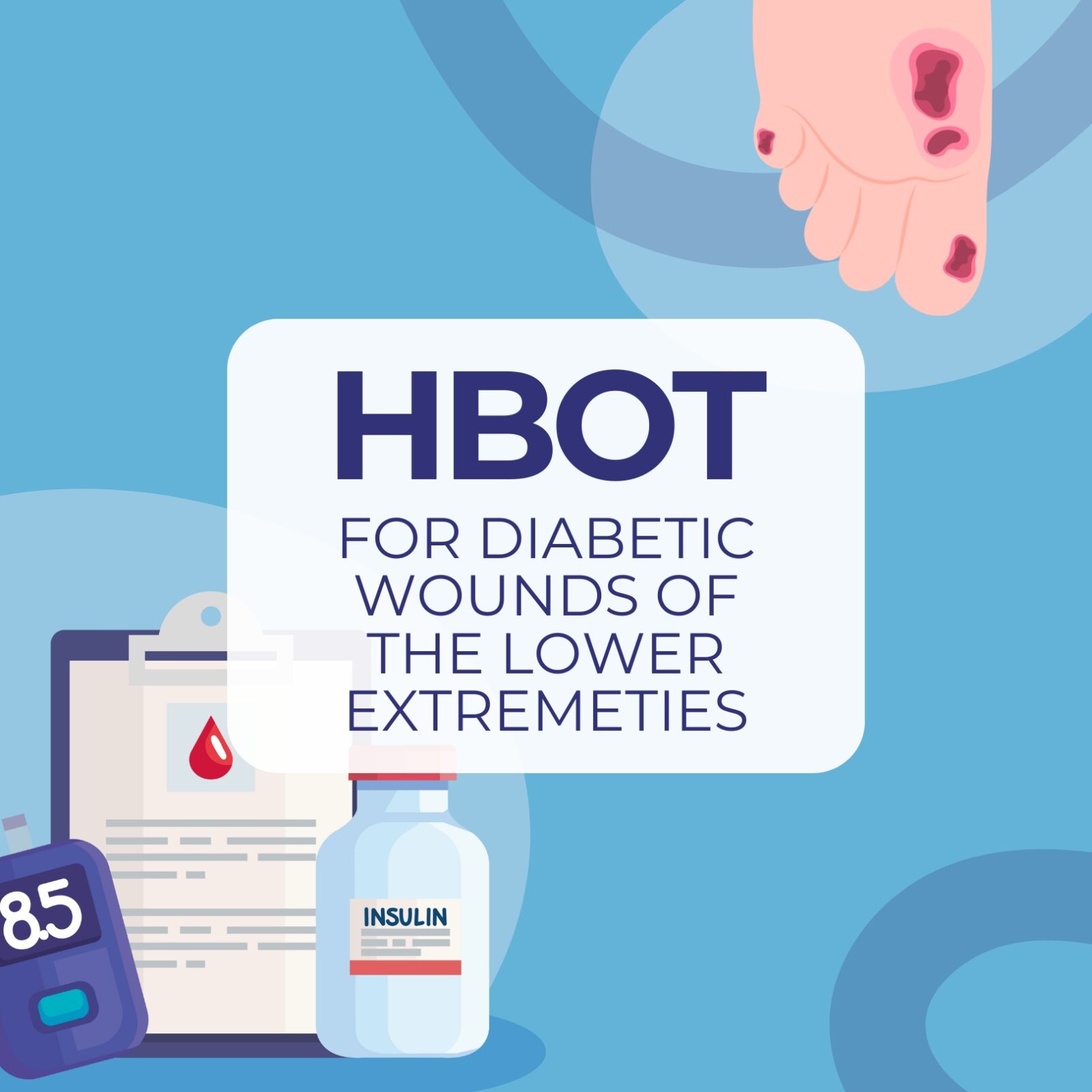
Hyperbaric Oxygen Therapy: Preventing Amputation in Diabetic Lower-Extremity Wounds
Diabetic wounds, particularly on the feet and lower legs, are one of the most common—and serious—complications of diabetes. When left untreated, these wounds can lead to infection, hospitalization, and even amputation. Fortunately, hyperbaric oxygen therapy (HBOT) is proving to be a powerful treatment option to improve healing, save limbs, and enhance quality of life.
Why Diabetic Wounds Are So Challenging
Diabetes can damage nerves (neuropathy) and reduce blood flow to the lower extremities, making it difficult for even small cuts or blisters to heal. This combination means that wounds often go unnoticed until they become severe, and once present, they may be slow to respond to traditional treatments like debridement, dressings, and antibiotics.
How Hyperbaric Oxygen Therapy Works
Hyperbaric oxygen therapy involves breathing 100% medical-grade oxygen in a pressurized chamber. This process increases the amount of oxygen in the blood, delivering it deep into tissues—including areas with poor circulation.
More oxygen means:
- Faster wound healing
- Reduced inflammation
- Better ability for white blood cells to fight infection
- Growth of new blood vessels (angiogenesis)
These benefits work together to help stubborn diabetic wounds finally begin to close and heal.
Evidence Supporting HBOT for Diabetic Wounds
Research has shown that HBOT can significantly reduce the risk of amputation in patients with chronic, non-healing diabetic foot ulcers. The Undersea and Hyperbaric Medical Society (UHMS) recognizes HBOT as an approved treatment for diabetic wounds of the lower extremities that have not responded to standard wound care.
What to Expect During Treatment
Patients typically undergo a series of HBOT sessions—often 20 to 40 treatments—each lasting about 90 minutes. The experience is painless, and many patients relax, watch TV, or nap during their sessions.
When to Ask About HBOT
If you or a loved one has a diabetic wound that has not improved after 30 days of standard treatment, ask your wound care specialist or primary care physician about a referral for hyperbaric oxygen therapy. Early intervention can prevent complications and improve outcomes.
Final Thoughts
Hyperbaric oxygen therapy offers hope to patients facing slow-healing diabetic wounds. By improving oxygen delivery and supporting the body’s natural healing processes, HBOT plays a critical role in limb preservation and overall health.