Emerging Applications of Hyperbaric Oxygen Therapy: Mitochondria, the Microbiome, and the Gut–Brain Connection
Hyperbaric oxygen therapy (HBOT) has long been recognized for its role in wound healing, radiation injury, and decompression sickness. However, as research into cellular metabolism, inflammation, and brain health expands, HBOT is gaining attention for emerging applications that extend well beyond its traditional uses. Among the most promising areas of exploration are mitochondrial health, chronic fatigue states, and the gut–brain axis.
HBOT and Mitochondrial Health
Mitochondria are often referred to as the “powerhouses” of the cell, responsible for producing the energy required for nearly every biological process. When mitochondrial function is impaired, individuals may experience fatigue, brain fog, poor recovery, and reduced resilience to stress.
HBOT is being explored as a way to optimize cellular oxygen availability, which is a critical component of efficient mitochondrial energy production. By increasing dissolved oxygen in the plasma, HBOT may support cellular metabolism and reduce oxidative stress when delivered in controlled, medical-grade environments. Researchers are increasingly interested in how this oxygen-driven support could influence conditions associated with mitochondrial dysfunction.
Chronic Fatigue and Energy Regulation
Chronic fatigue—whether related to post-viral syndromes, inflammatory conditions, or prolonged stress—remains a complex and often frustrating issue. While HBOT is not a standalone solution, its ability to enhance oxygen delivery and support tissue recovery has made it an area of interest in multidisciplinary fatigue management strategies.
Emerging research is examining how HBOT may influence neuroinflammation, vascular function, and cellular repair mechanisms that contribute to persistent fatigue. These investigations are helping clinicians better understand where HBOT may fit within broader, individualized care plans.
The Gut–Brain Axis Connection
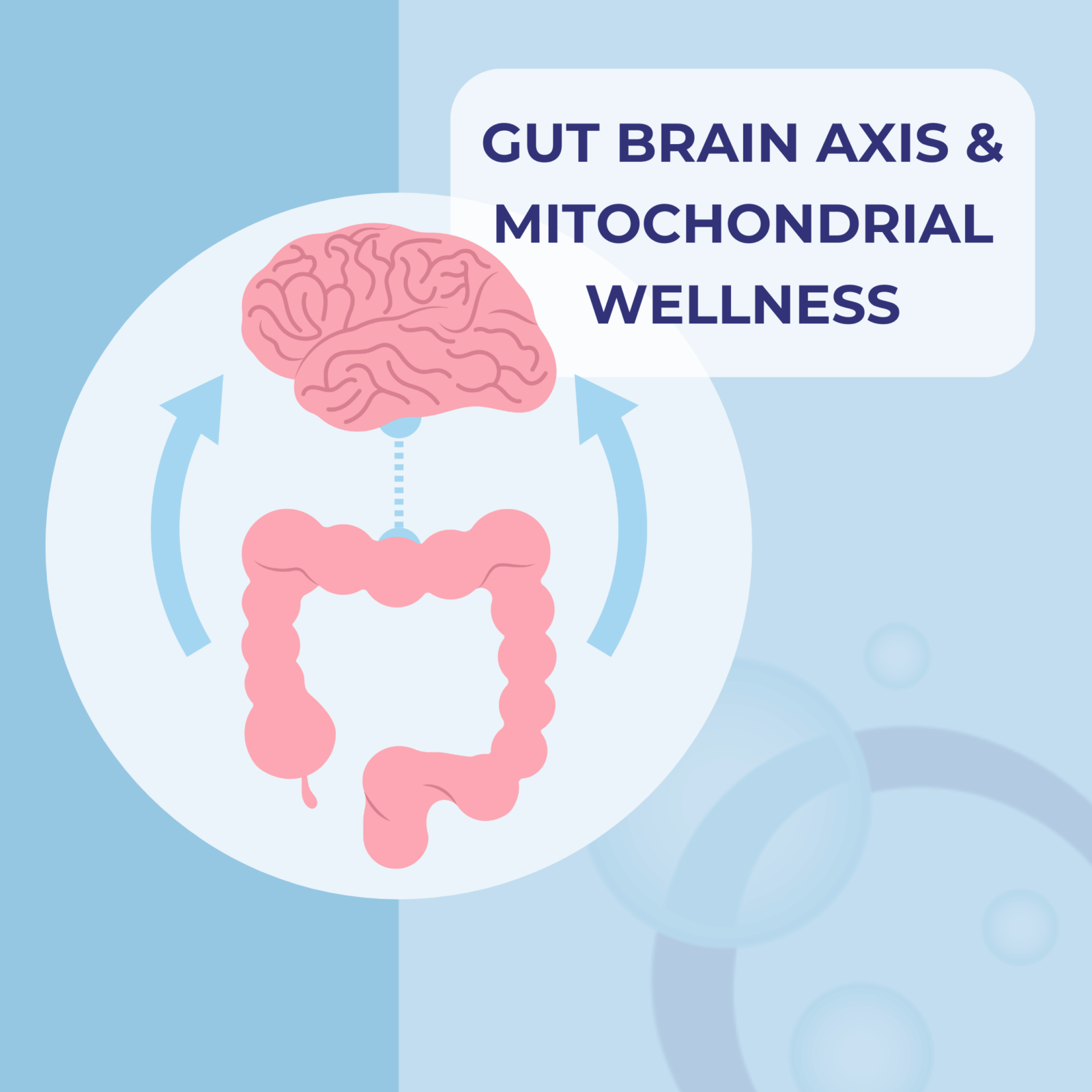
One of the most exciting frontiers in health science is the gut–brain axis—the bidirectional communication network between the digestive system and the nervous system. The gut microbiome plays a key role in immune regulation, neurotransmitter production, and systemic inflammation.
Early research is beginning to explore how HBOT may influence the gut environment indirectly by reducing inflammation, improving tissue oxygenation, and supporting barrier integrity. While this area is still developing, it highlights the interconnected nature of oxygen, metabolism, and whole-body health.
Looking Ahead
As science continues to uncover the complex relationships between oxygen, cellular health, and systemic function, HBOT is increasingly viewed as a platform therapy with broad biological relevance. While ongoing research is essential, these emerging applications point toward a future where HBOT plays a role not only in acute medical care, but also in integrative, evidence-informed wellness strategies.
To explore these evolving applications safely and effectively, hyperbaric oxygen therapy must be delivered in hard-sided, medical-grade chambers under appropriate medical supervision.